
17 July 2026 · 4 min read
Breakfast in Giza: A Local's Guide to Starting Your Day
Wake up at Hostalio Pyramid View to the scent of fresh falafel and fava beans. Discover the essential dishes, street stalls, and flavors that define an Egyptian breakfast.
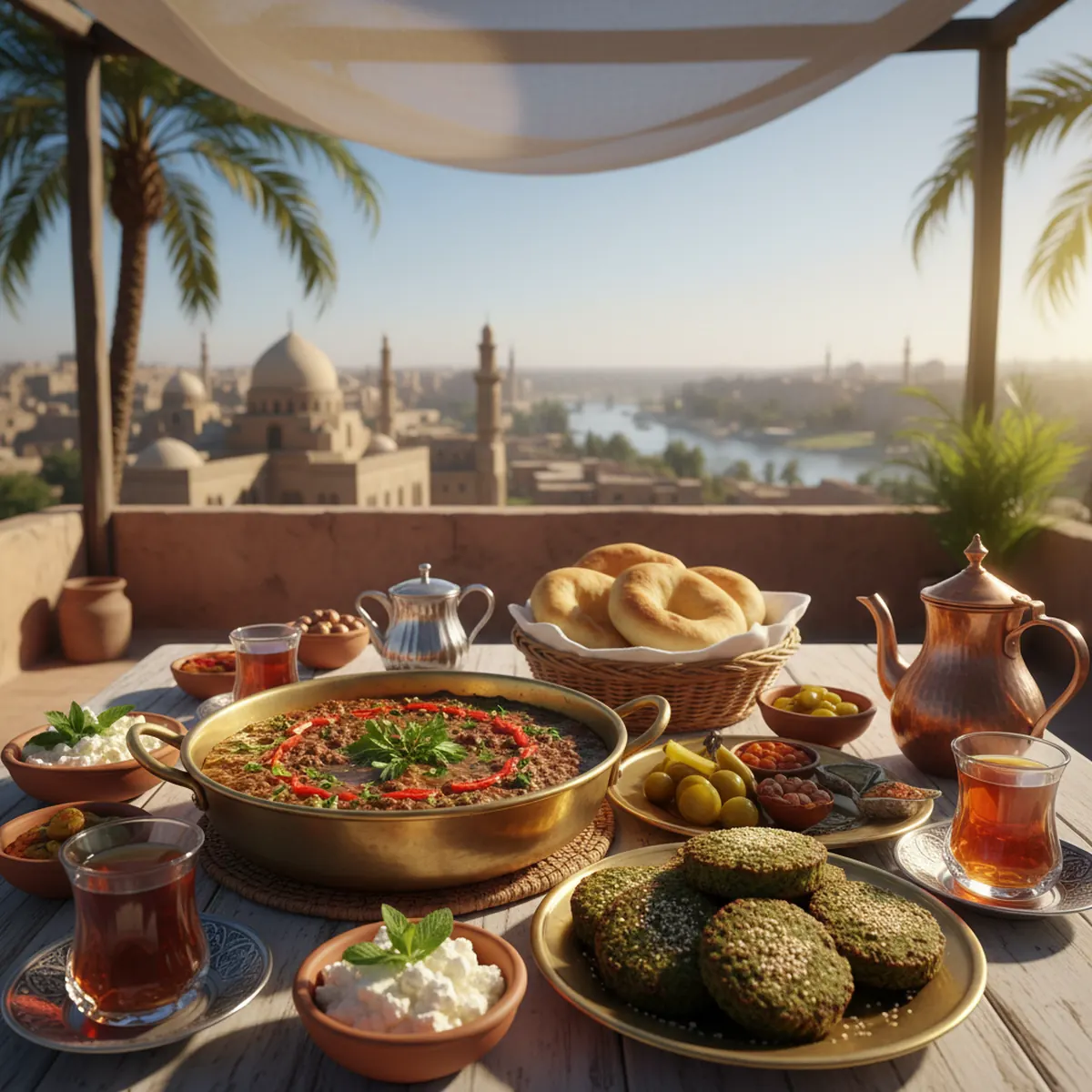
Discover the Magic of an Authentic Egyptian Breakfast
Morning in Al Haram is a sensory experience unlike any other. Long before the first tour buses arrive at the Giza Plateau, the air around our boutique hotel, Hostalio Pyramid View, fills with the aroma of roasting beans, sizzling oil, and freshly baked bread. For us, breakfast isn't just a meal; it is a ritual that fuels the long days of nomadic wandering and monument-climbing that define a trip to Cairo.
When you stay with us, you are just 500 metres from the Grand Egyptian Museum, but you are also in the heart of a vibrant local community. We want to ensure you experience the same flavors we grew up with. Here is our guide to eating breakfast like a local in Egypt.
The King of the Table: Foul Medames
If Egypt had a national morning fuel, it would undoubtedly be Foul (pronounced 'fool'). These are fava beans that have been slow-cooked in a large, copper pot called a qidra. The process often takes all night, resulting in a buttery, soft texture.
We typically serve it mashed with a generous drizzle of extra virgin olive oil or flaxseed oil (known as zeat harr), seasoned with cumin, lemon, and garlic. You will find it served in small bowls alongside piles of warm Aish Baladi—the traditional Egyptian flatbread. To eat it properly, tear off a piece of bread, fold it into a small 'ear,' and scoop the beans directly from the dish.
Ta’ameya: The Green Falafel
While the world knows falafel, Egypt does it differently. In most of the Middle East, falafel consists of ground chickpeas. Here in Cairo and Giza, we use dried fava beans. This makes our Ta’ameya incredibly light and airy on the inside, while the outside is coated in sesame seeds and fried to a deep golden crunch. The interior is a bright, vibrant green thanks to a heavy hand of fresh leeks, cilantro, and parsley.
The Essential Sides
An Egyptian breakfast table is never a solitary affair. When our team prepares a spread, we surround the Foul and Ta’ameya with several key side dishes:
- Aish Baladi: This bran-crusted flatbread is the heartbeat of the meal. It is baked in high-heat ovens until it puffs up. Every bite is an ancient tradition.
- Egyptian White Cheese with Tomatoes: Often called Jibna Beyda, this is a salty, creamy cheese similar to Feta, but smoother. We mix it with diced tomatoes, cucumbers, and a splash of oil to balance the fried elements of the meal.
- Pickled Vegetables (Torshi): To cut through the richness of the beans and oil, we serve neon-colored pickled turnips, carrots, and peppers.
- Deep-Fried Eggplant and Cauliflower: Usually seasoned with a garlic and vinegar dressing, these add a savory depth to the morning feast.
- Eggs with Pastirma: For a more indulgent protein, we sauté eggs in butter with thin slices of Pastirma—a highly seasoned, air-dried cured beef.
Where to Eat Near the Grand Egyptian Museum
Being located just minutes from the world's most anticipated museum means you have excellent options. If you are heading out early to beat the crowds, you can check our travel services for a guided culinary walk, or try these local approaches:
1. The Street Cart Experience
In our neighborhood of Al Haram, you will see men gathering around silver carts decorated with colorful patterns. These are the most authentic spots. You can grab a 'Foul Sandwich' wrapped in paper for approximately $0.50 to $1.00 USD (as of 2024). It is fast, hot, and delicious.
2. The Boutique Sit-Down
At Hostalio Pyramid View, we believe the view is just as important as the food. We serve a traditional breakfast on our terrace where you can see the Great Pyramid of Khufu as you sip your tea. If you haven't booked your stay yet, you can view our available rooms and rates here.
Something Sweet to Finish
After the savory spices of cumin and garlic, Egyptians often finish with something sweet. A common choice is Fetir Meshaltet, a flaky, multi-layered pastry that resembles a cross between a croissant and a pancake. It is served with "black honey" (molasses) and tahini, or white honey and thick clotted cream (Ashta).
Practical Tips for Travelers
- Timing: Local breakfast spots are busiest between 7:00 AM and 10:00 AM. After 11:00 AM, many street carts pack up to prepare for the lunch rush.
- Beverages: Always pair your breakfast with hot mint tea or a small glass of strong Egyptian coffee (Turk). If you prefer something cold, fresh-squeezed orange juice is abundant in the morning.
- Hygiene: If you have a sensitive stomach, stick to cooked foods (like hot Foul and fried Ta’ameya) and skip raw salads from street carts. At Hostalio, we wash all our vegetables with filtered water so you can eat with peace of mind.
Ready to explore Giza?
Eating a hearty breakfast is the best way to prepare for a day of exploring the nearby archeological wonders. If you need help planning your itinerary or want to know the best time to visit the Giza Plateau, contact our team at any time. We are locals who love sharing the secrets of our city.
Whether you are here for the Grand Egyptian Museum tickets or to stand in the shadow of the Sphinx, your journey starts with a full plate and a warm welcome. We look forward to seeing you at the breakfast table soon!
Written by
Hostalio Pyramid View
Editor, Gorgeous Egypt